
Email: sales@simple.works

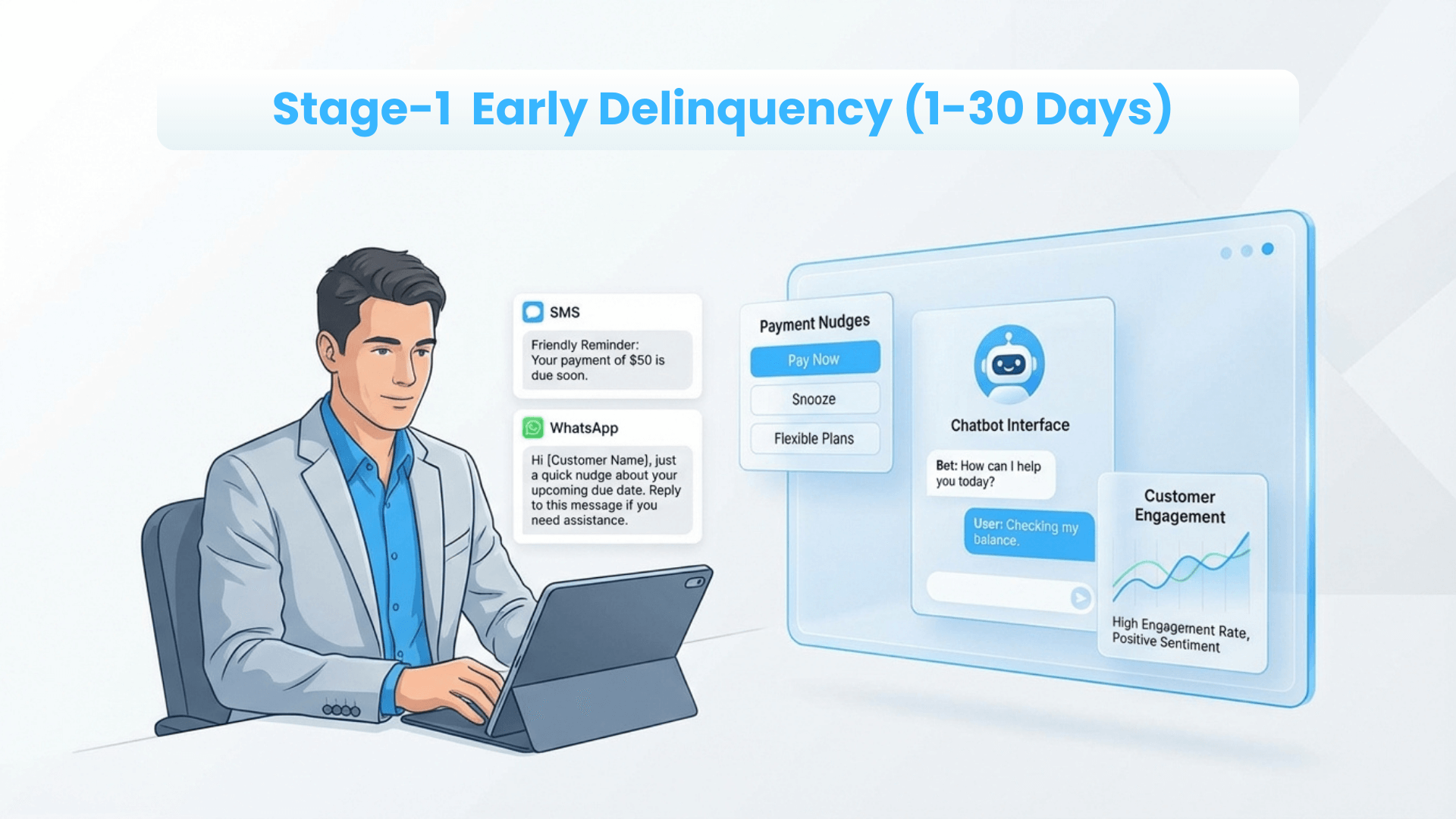
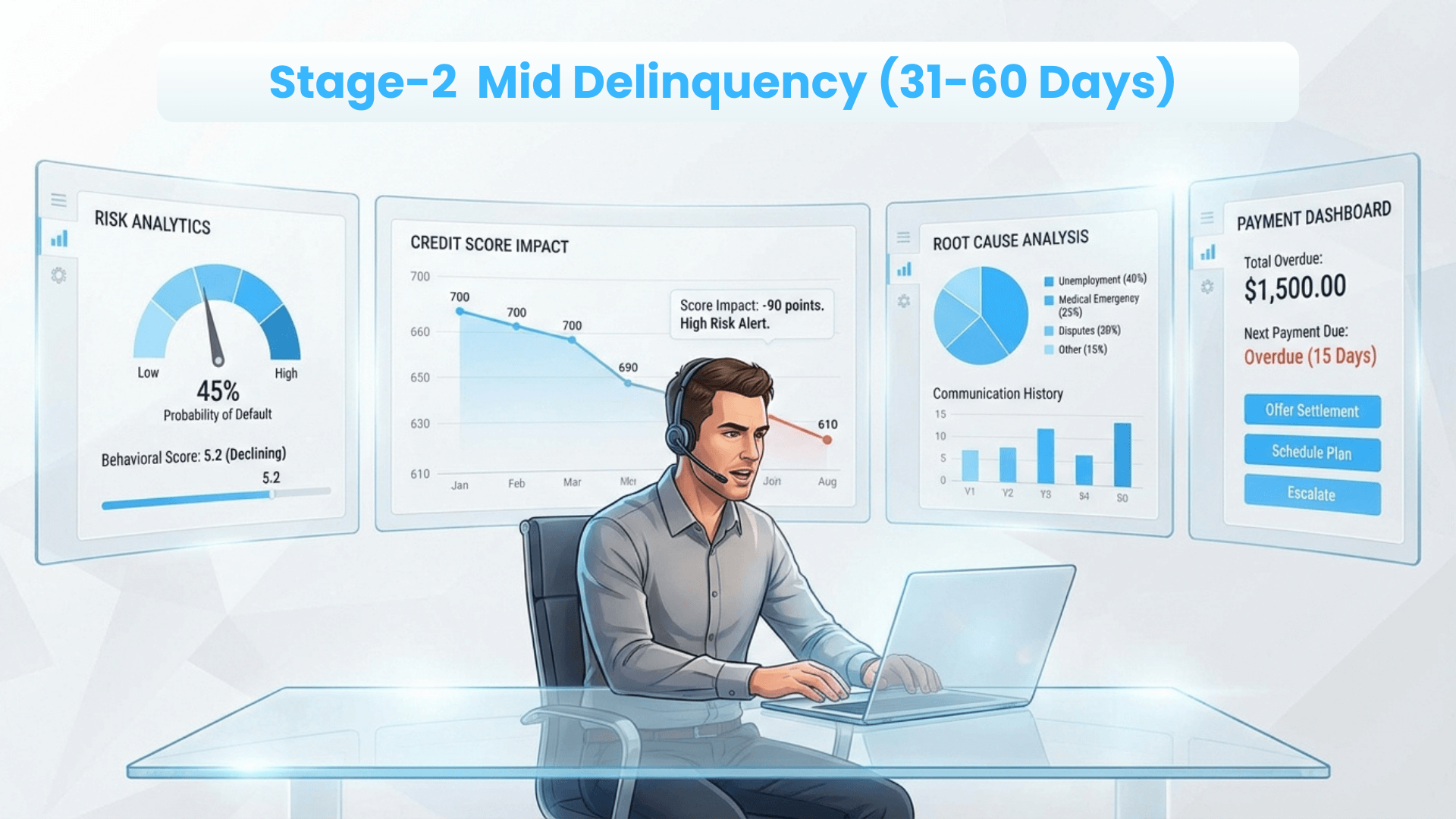
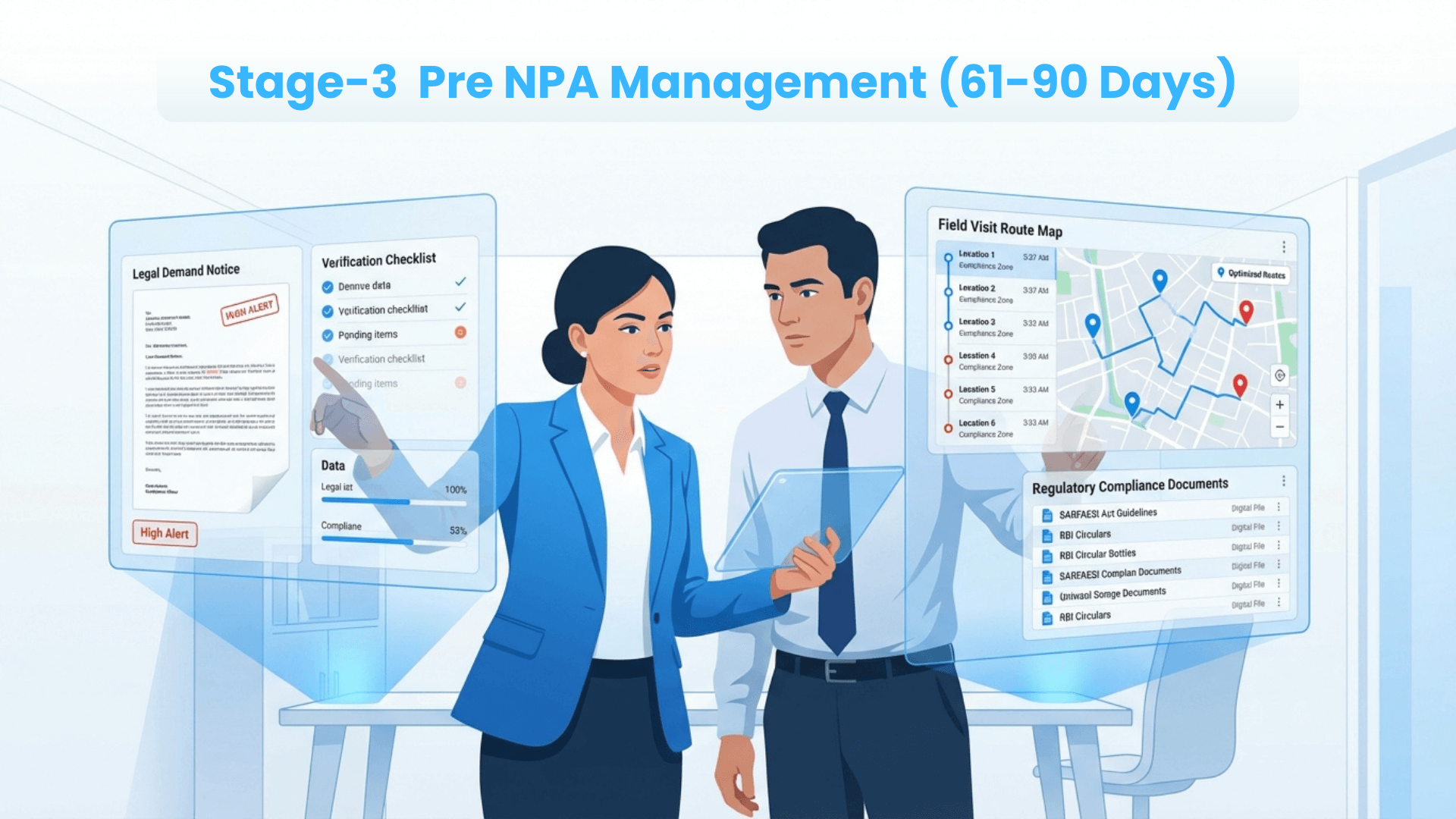
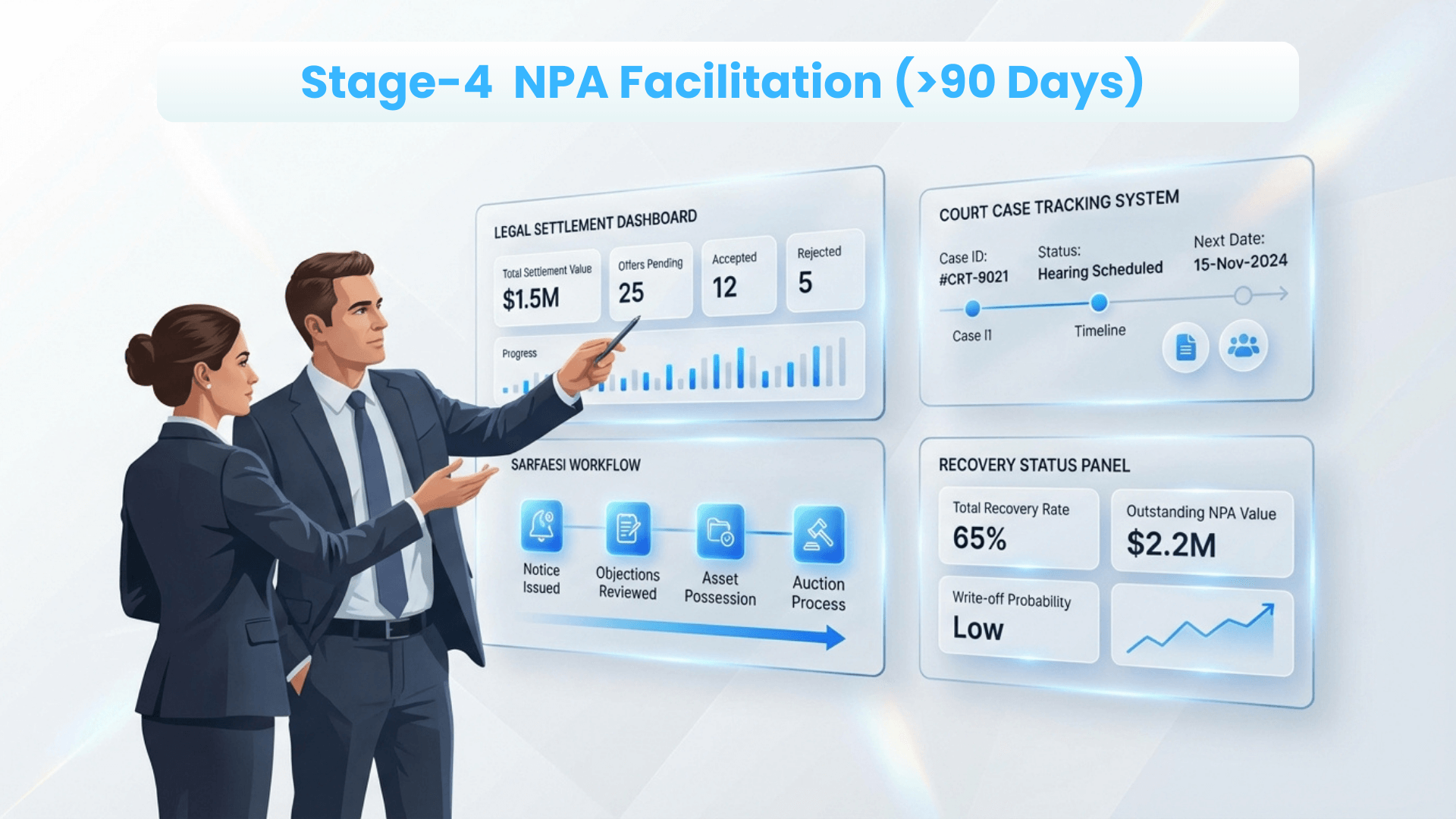

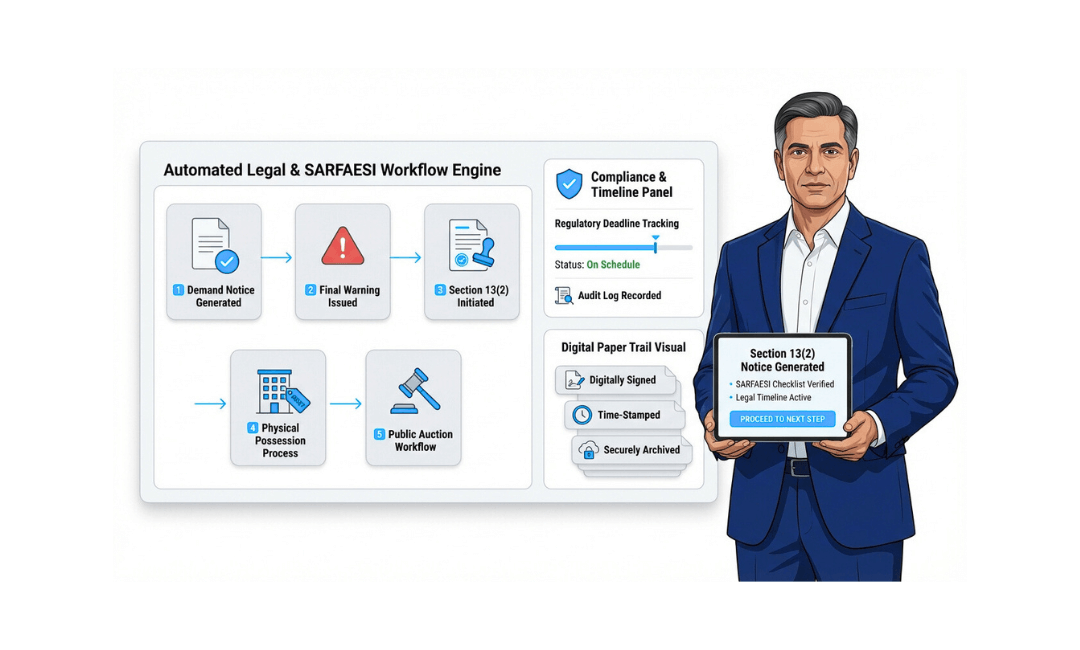

How does the system handle different delinquency stages (DPD buckets)?
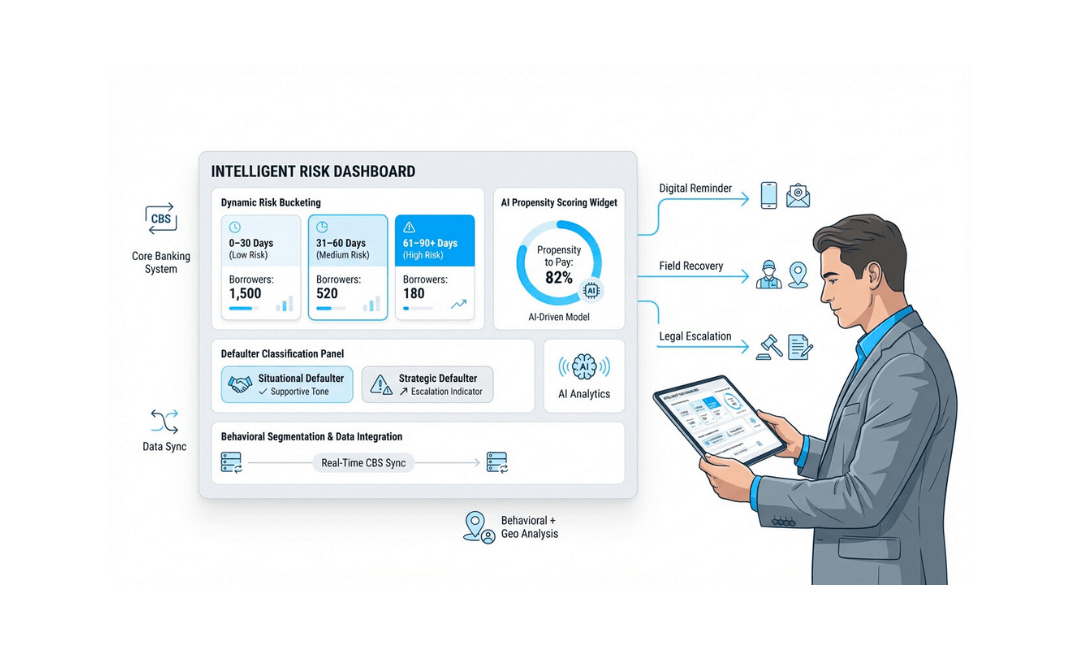
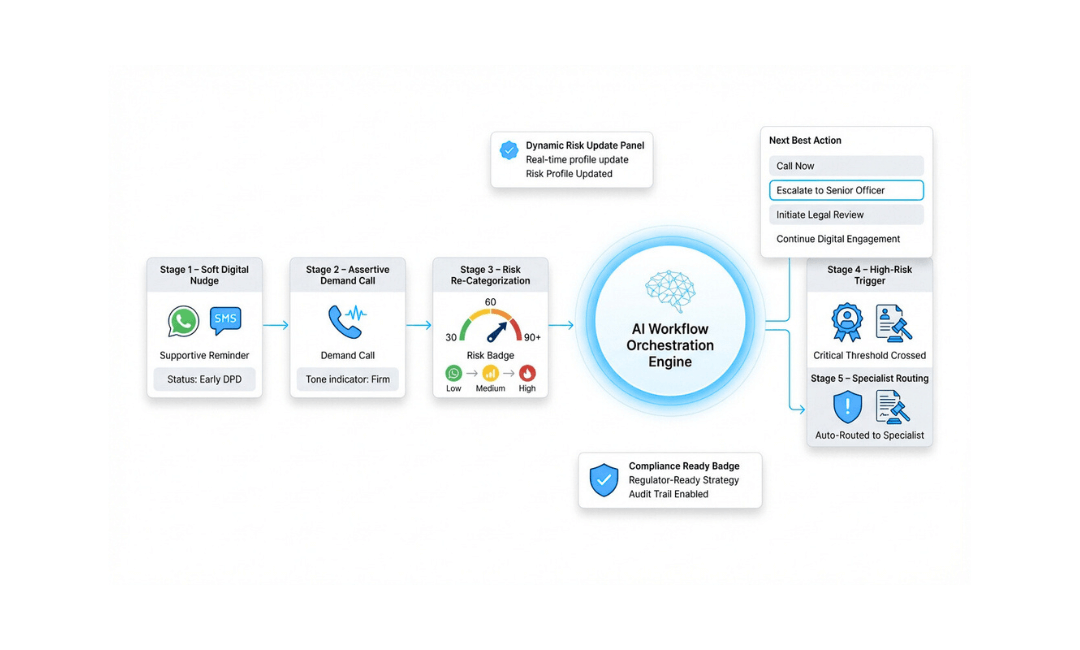
The system automatically categorizes borrowers into standardized delinquency buckets—Bucket 1 (1–30 DPD), Bucket 2 (31–60 DPD), Bucket 3 (61–90 DPD),
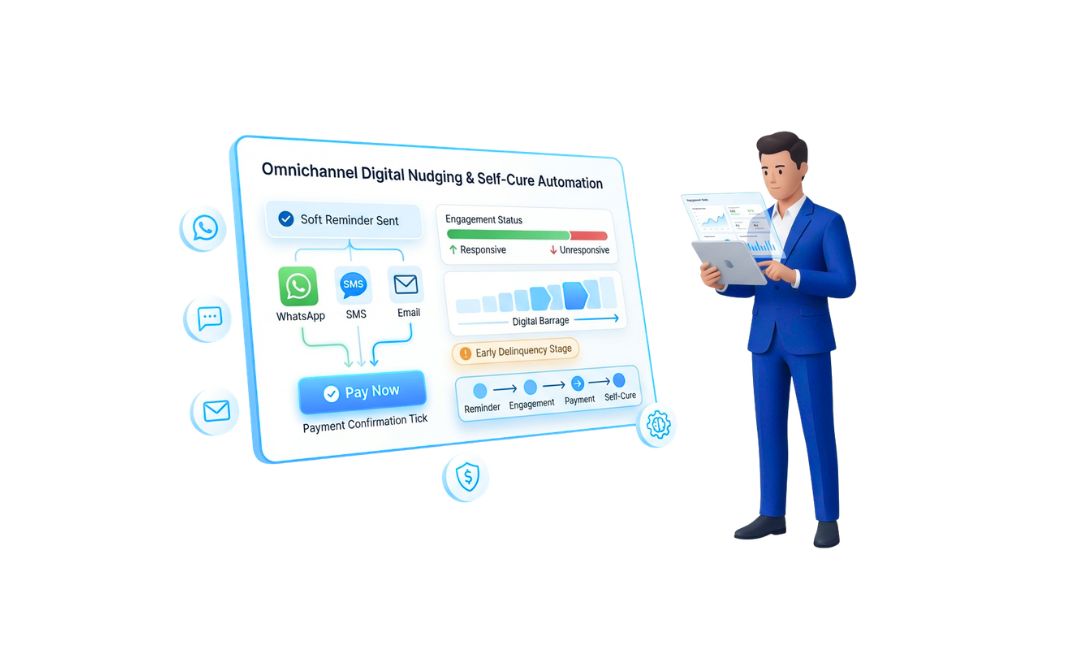
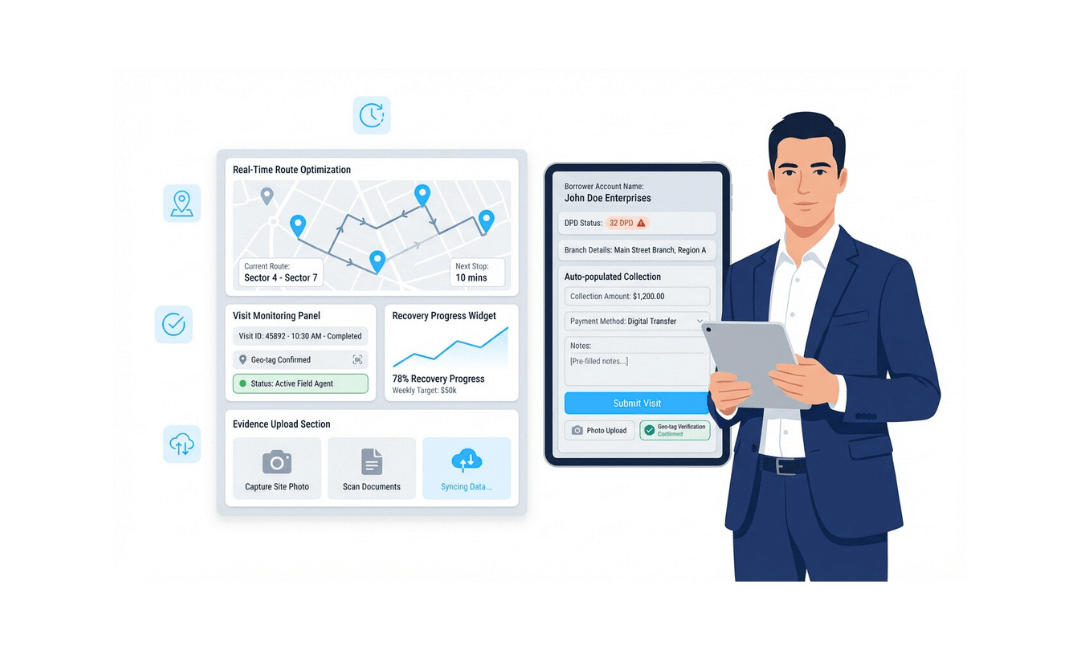
and Bucket 4 (>90 DPD/NPA). For each bucket, you can configure unique automated workflows, such as digital "nudging" for early stages and mandatory
field visits or legal notices for later stages.
Can we customize the automated communication tone for each bucket?
Yes. The platform allows you to set a non-coercive, supportive tone for early-stage delinquency (Bucket 1) to encourage "self-cure".
As a borrower moves to later buckets, the system automatically shifts to a firmer, demand-oriented tone, focusing on credit score impact and potential
legal consequences.
How does the system ensure compliance with RBI recovery guidelines?
SimpleWorks is built for regulator-readiness. It enforces compliance by:
How does the system manage "Promise to Pay" (PTP)?
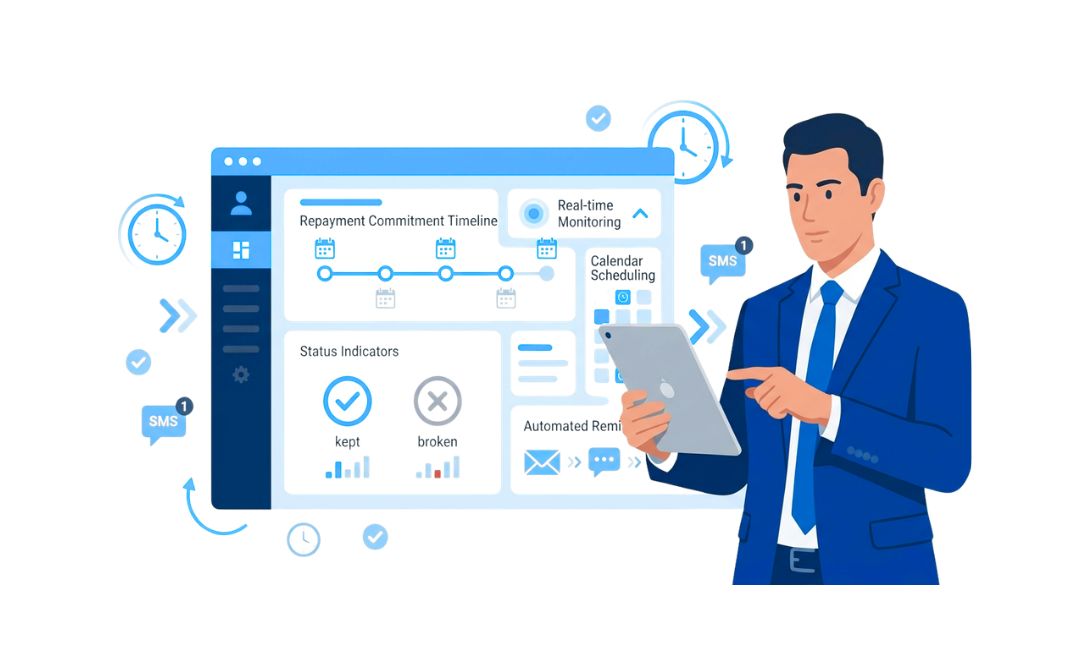
When a borrower commits to a payment, agents record it as a PTP in the CRM. The system then:
What is SimpleWorks Collections Cloud?
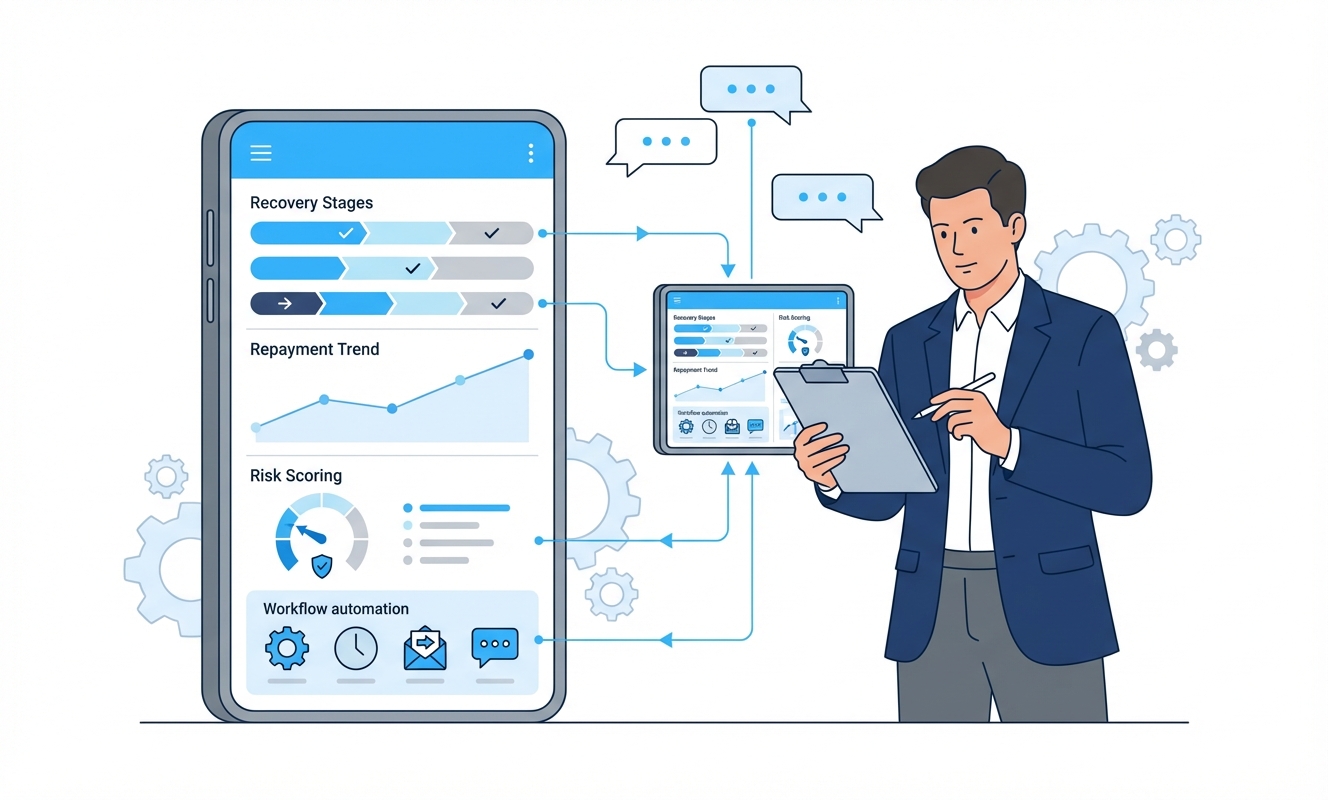
SimpleWorks Collections Cloud is an AI-powered debt recovery platform designed for banks, NBFCs, and lending institutions. It automates delinquency management, prioritizes high-risk accounts, and enables efficient recovery through digital engagement, field operations, and compliance-ready workflows.
Does it integrate with our existing Core Banking System (CBS)?
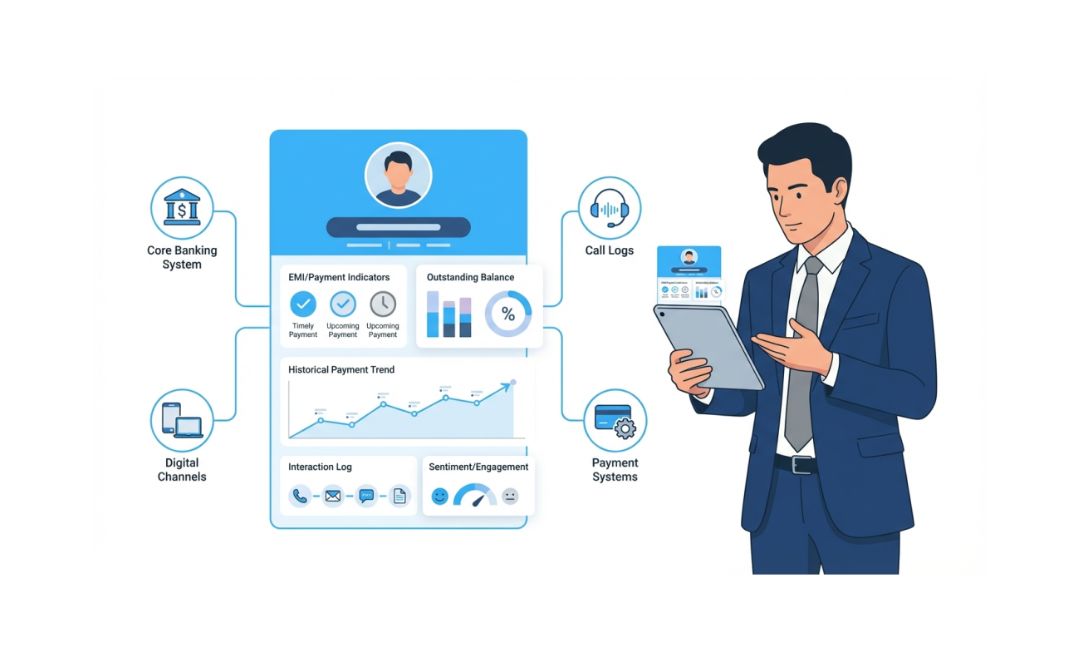
Yes. SimpleWorks offers seamless API integration with core platforms like Finacle or Tally. This ensures that EMI overdue data is pushed from your CBS
to the CRM in real-time, providing agents with up-to-the-minute outstanding amounts and due dates.